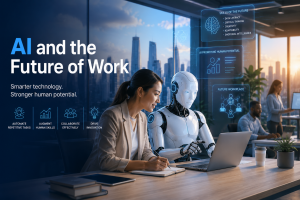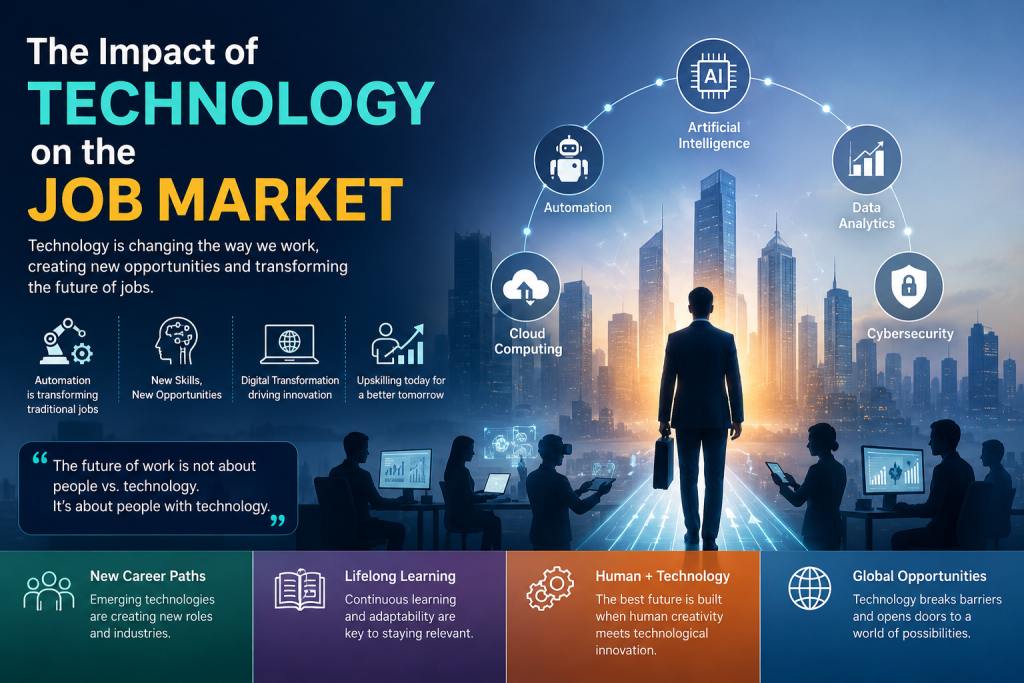
Technology has transformed the way people work, businesses operate, and industries grow. From artificial intelligence (AI) and automation to cloud computing and data analytics, technological advancements are reshaping the global job market at an unprecedented pace. While some traditional roles are evolving or becoming automated, technology is also creating new career opportunities that demand advanced skills, innovation, and adaptability.
Upskilling and Reskilling have become essential in today’s rapidly evolving technology-driven world. As artificial intelligence, automation, and digital transformation continue to reshape industries, professionals must continuously learn new skills and adapt to changing workplace demands. Investing in upskilling and reskilling not only enhances employability but also prepares individuals for emerging career opportunities and long-term professional success.
A New Era of Employment
The digital revolution has changed the employment landscape across every sector. Organizations are increasingly adopting technologies that improve efficiency, reduce operational costs, and enhance customer experiences. As a result, the demand for professionals with digital and technical expertise has grown significantly.
Careers in artificial intelligence, cybersecurity, software development, cloud computing, data science, digital marketing, robotics, and renewable energy technologies are expanding rapidly. These emerging fields offer exciting opportunities for individuals who are willing to continuously learn and adapt to changing industry requirements.
Automation: Replacing Tasks, Not Human Potential
Automation is often viewed as a threat to employment, but its impact is more nuanced. While repetitive and routine tasks are increasingly being handled by machines and intelligent software, human capabilities such as creativity, critical thinking, emotional intelligence, and complex decision-making remain irreplaceable.
Rather than eliminating jobs entirely, automation is transforming them. Employees are expected to work alongside technology, focusing on higher-value activities that require innovation, strategic thinking, and collaboration.
Benefits of Upskilling and Reskilling for Professionals
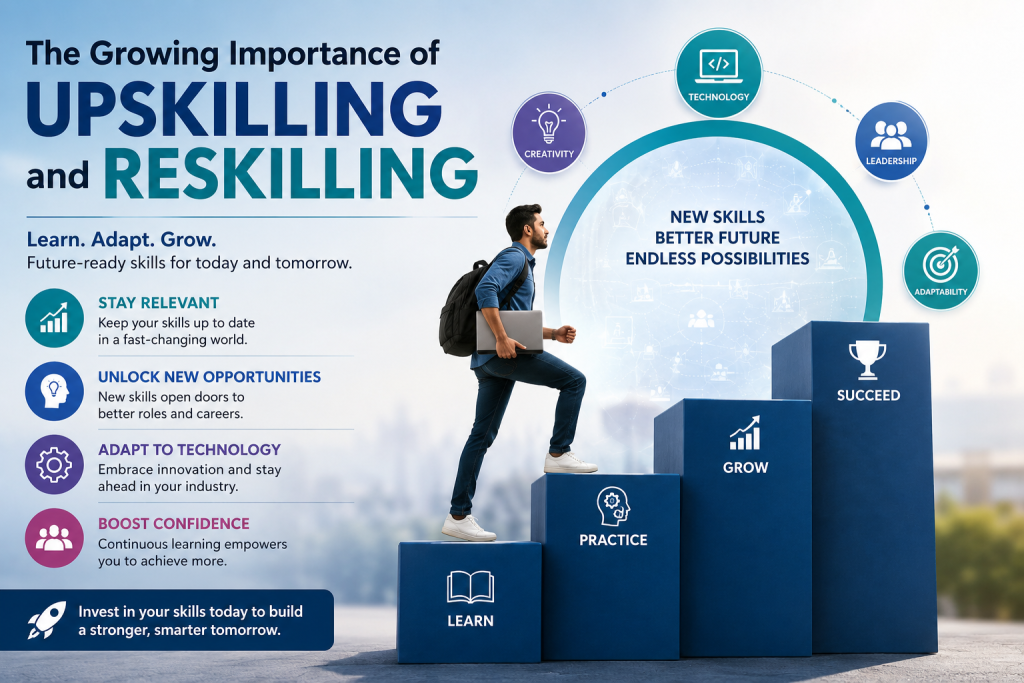
As technology continues to evolve, lifelong learning has become essential. Skills that were relevant a decade ago may no longer be sufficient in today’s competitive workforce. Professionals must actively invest in upskilling and reskilling to remain employable.
Learning new technologies, obtaining industry-recognized certifications, participating in professional development programs, and gaining practical experience are becoming critical for career advancement. Employers also increasingly value candidates who demonstrate adaptability, problem-solving abilities, and a commitment to continuous learning.
Remote Work and the Digital Workplace
Technology has fundamentally changed how organizations operate by enabling remote and hybrid work models. High-speed internet, cloud-based collaboration tools, video conferencing platforms, and project management software have made it possible for teams to work efficiently from virtually anywhere.
This shift has expanded employment opportunities beyond geographical boundaries. Companies can access global talent, while professionals can pursue career opportunities with organizations located across different regions and countries.
Emerging Skills in High Demand
The modern workforce requires a combination of technical expertise and human-centric skills. Some of the most sought-after competencies include:
- Artificial Intelligence and Machine Learning
- Data Analytics and Business Intelligence
- Cloud Computing
- Cybersecurity
- Software Development
- Prompt Engineering and Generative AI
- Internet of Things (IoT)
- DevOps and Automation
- Digital Marketing
- Project Management
Alongside technical knowledge, employers highly value communication, leadership, adaptability, creativity, teamwork, and critical thinking—skills that technology complements rather than replaces.
Challenges in the Technology-Driven Job Market
Despite its many advantages, technological advancement presents several challenges. Automation may displace certain roles, creating uncertainty for workers in traditional occupations. Additionally, the rapid pace of innovation often leads to skill gaps, where existing workforce capabilities do not align with industry needs.
Educational institutions, industries, and governments must collaborate to ensure that workforce development keeps pace with technological change. Accessible training, industry-academia partnerships, and skill development initiatives are essential for preparing professionals for future careers.
Preparing for the Future of Work
The future job market will reward individuals who embrace change rather than resist it. Professionals who continuously learn, adapt to emerging technologies, and develop both technical and interpersonal skills will be better positioned for long-term career success.
Organizations also play a crucial role by investing in employee training, fostering innovation, and creating workplaces where technology enhances human productivity instead of replacing it.
Conclusion
Technology is not simply changing the job market—it is redefining it. While automation and digital transformation may alter traditional career paths, they are simultaneously creating new opportunities across industries. Success in this evolving landscape depends on continuous learning, adaptability, and a willingness to embrace innovation.
By equipping themselves with future-ready skills and maintaining a growth mindset, professionals can thrive in the digital economy and contribute meaningfully to the workforce of tomorrow. As technology continues to advance, those who invest in knowledge and innovation today will be the leaders of tomorrow’s world.